
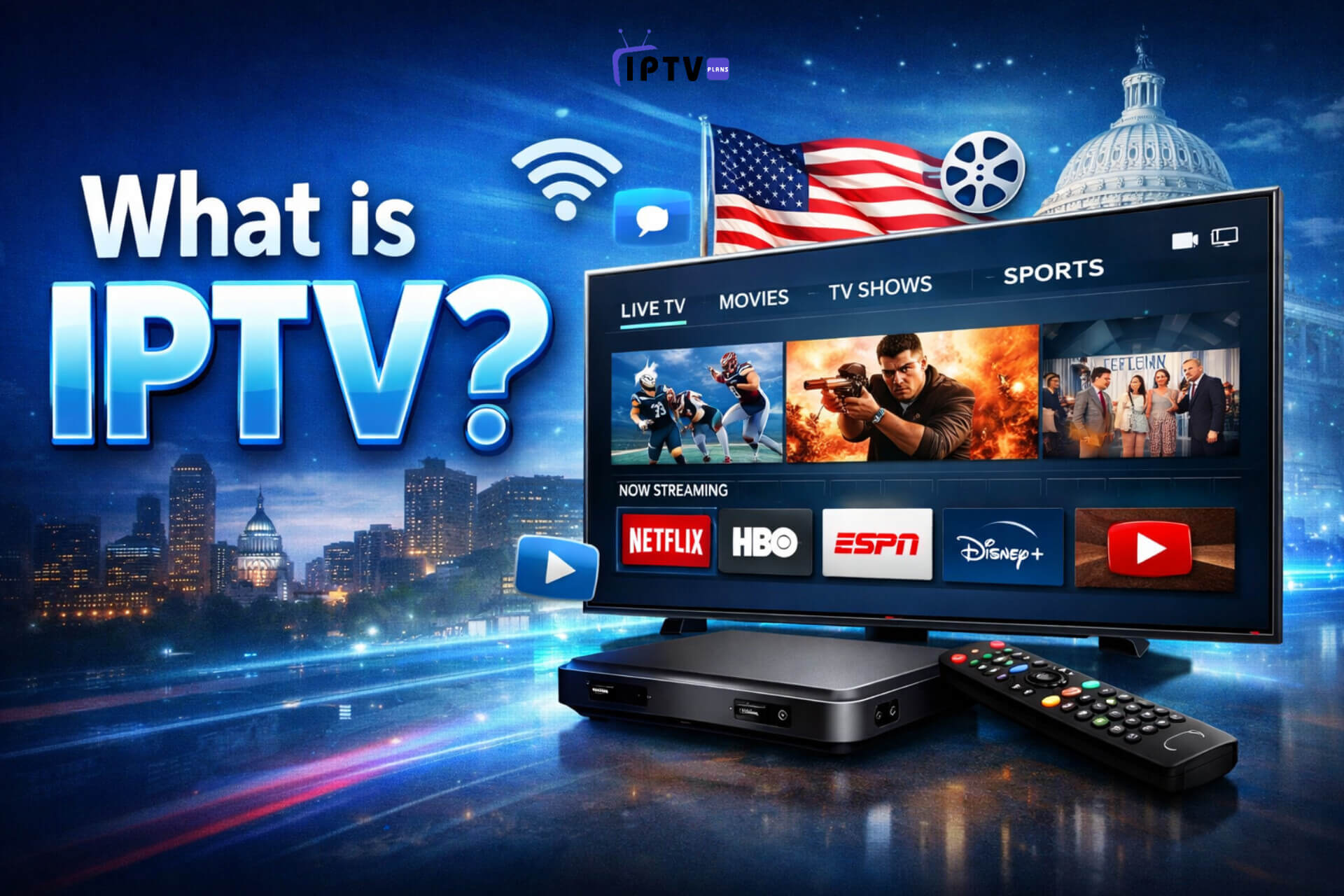
In recent years, the way people consume television has dramatically changed. Traditional cable and satellite TV are gradually being replaced by Internet-based solutions. One of the most popular of these solutions is IPTV. But what exactly does it mean? This article will provide a clear definition of IPTV, explore its benefits, and explain why it is becoming the preferred choice for viewers in the United States.
What is IPTV?
IPTV, or Internet Protocol Television, is a technology that delivers television content over the Internet rather than through traditional cable or satellite methods. Unlike conventional broadcasting, IPTV uses your Internet connection to stream video content directly to your device. This allows users to watch live TV, on-demand shows, and even catch-up programs from anywhere in the world.
By understanding the definition of IPTV, it becomes clear that the technology relies on data networks rather than traditional broadcast signals. This approach ensures higher flexibility, better content variety, and often, a more personalized viewing experience.
Key Features of IPTV
IPTV comes with several advantages that make it attractive to users:
- On-Demand Access – Viewers can watch movies, series, and documentaries whenever they want, eliminating the restrictions of fixed TV schedules.
- Multi-Device Compatibility – IPTV can be streamed on smart TVs, computers, smartphones, and tablets, offering unmatched convenience.
- Interactive Services – Unlike traditional TV, IPTV often includes interactive options such as pausing live TV, recording shows, and accessing additional information about programs.
Additionally, IPTV allows providers to deliver high-quality video content with minimal buffering, as long as the Internet connection is stable. This makes it particularly suitable for the fast-paced American market, where consumers value convenience and quality.
How IPTV is Changing Television in the US?
The shift from traditional TV to IPTV is significant in the United States. Many households are now cutting the cord, opting for Internet-based subscriptions instead. This trend is driven by factors such as cost-effectiveness, extensive channel selection, and the ability to watch content on multiple devices.
Understanding the definition of IPTV helps consumers realize that this technology is not just a replacement for cable TV but a complete evolution in media consumption. With IPTV, viewers are no longer tied to a single location or a fixed schedule, making it an appealing option for busy lifestyles.
Moreover, companies providing IPTV services often offer customizable packages. This means subscribers can choose channels and services that match their interests, avoiding unnecessary costs. Consequently, IPTV continues to grow in popularity as more Americans seek smarter and more flexible ways to enjoy entertainment.
Conclusion
In conclusion, the definition of IPTV reveals a revolutionary shift in how television is delivered and consumed. By utilizing the Internet, IPTV offers flexibility, convenience, and a wide variety of content, making it ideal for modern viewers. As technology continues to advance, it is likely that IPTV will play an even larger role in shaping the future of television in the United States.
For anyone considering a switch from cable or satellite, understanding the definition of IPTV is the first step towards embracing a smarter, more interactive entertainment experience.